Hail Damage Roof Claims
Hail can damage a roof in ways that are not always obvious from the ground. This guide covers what to look for, how to document it, and how the claims process generally works. General information only: check your PDS or contact your insurer for your specific policy.
How hail damages different roof types
Hail affects tile and metal roofing differently, and the damage is not always visible from ground level:
- Concrete and terracotta tiles: cracking, chipping, or surface glaze damage that can let water in even without a visible crack all the way through
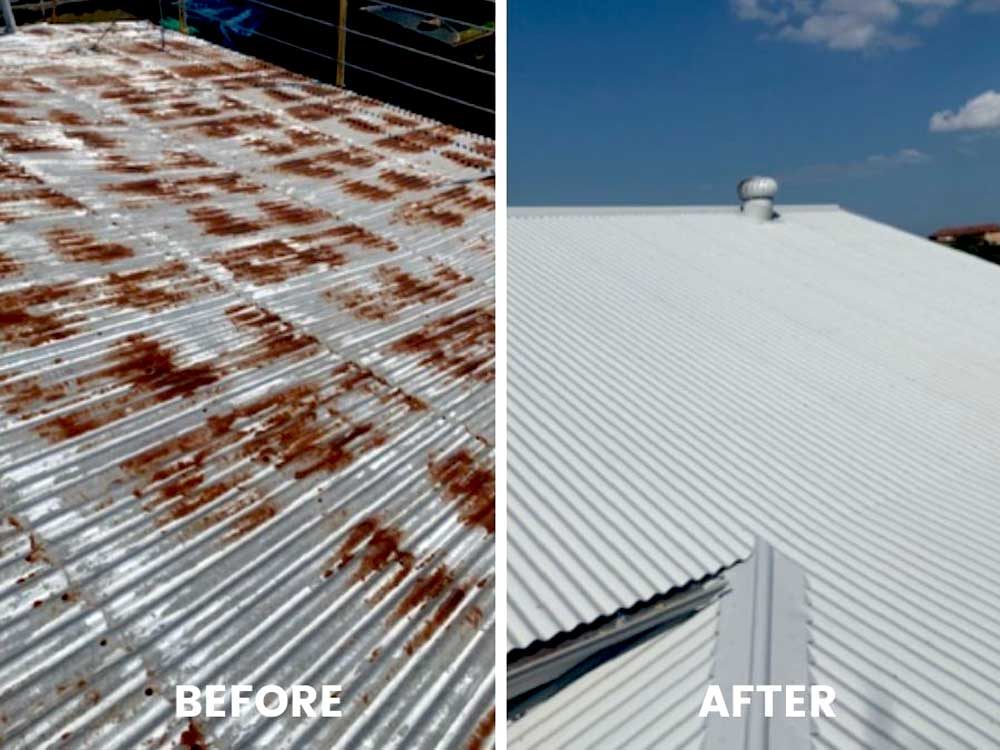
- Metal and Colorbond roofing: dents, which can also compromise the protective coating and lead to corrosion later if untreated
- Skylights and roof windows: cracking or surface pitting
- Solar panels: cracked cells or micro-fractures that reduce output without an obvious visible sign
- Gutters and downpipes: dents and small perforations
Why a professional inspection matters after hail
Because a lot of hail damage is subtle (a hairline tile crack, a small dent, a cracked solar cell that still produces some power), a roof that looks fine from the ground can still have real damage that gets worse over time or fails during the next rain event. If a significant hail event has affected your area, a professional inspection is the only reliable way to check, whether or not you plan to make a claim immediately.
Documenting hail damage for a claim
Photograph any visible damage as soon as it is safe to do so, and keep a record of the date of the hailstorm (news reports of a severe weather event in your area can support the timing of your claim). A roofer experienced with insurance-related repairs can provide a proper photo report showing dent patterns, tile cracking and other hail-specific damage in the format insurers expect.
What insurers commonly consider
Insurers generally assess whether the damage pattern is consistent with hail (for example, dent patterns on a metal roof typically appear on the side facing the storm) and whether it aligns with a known weather event in the area. This is general information about how the process tends to work, not advice on any specific claim; your insurer makes the final assessment based on your policy and the evidence provided.